
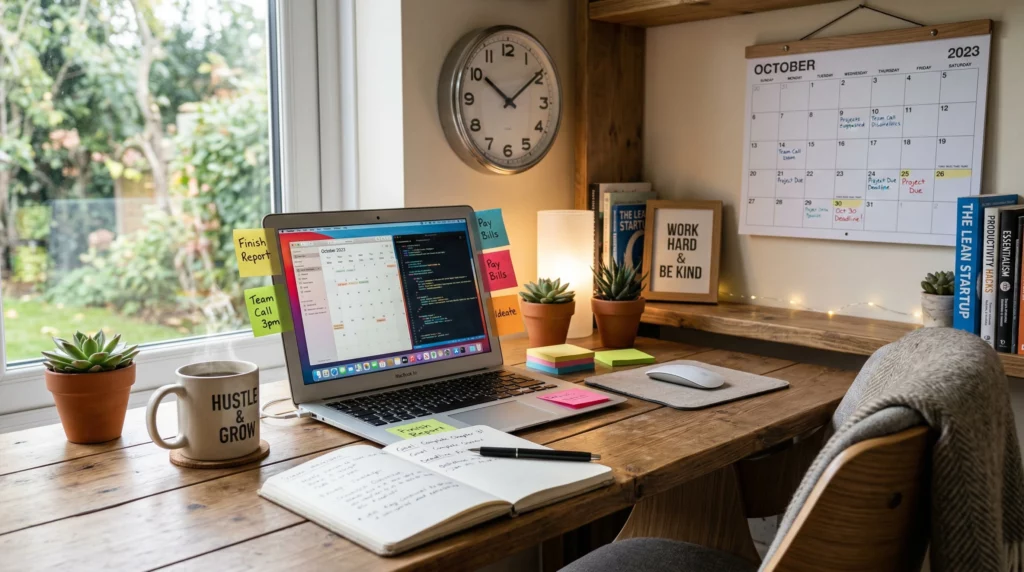
Balancing a side hustle with a full-time job can feel pretty overwhelming at first, but with a bit of planning, it’s totally doable. I’ve been in this boat myself, and managing both is all about finding routines that work for you, setting clear priorities, and knowing when to slow down. If you’re considering picking up a secondary gig or you’re already juggling two commitments, this guide is packed with practical tips and real-life advice to make your side hustle adventure easier and a lot more manageable.

Why Balancing Two Jobs Really Matters
Taking on a side hustle while working full-time isn’t just about earning extra cash; it can be about growing your skills, exploring passions, or building a safety net. Lots of folks pick up side work to pay off debt, save for dreams, or just add a bit of adventure to their routine, helping bring some excitement into daily life.
According to a 2023 survey from Bankrate, about 39% of adults in the U.S. have a side hustle. More people are picking up freelance jobs on the side to handle increased living costs, but the benefits go way beyond the financials. A good side hustle can help you learn new things, expand your network, and even set you up for future career moves.
I found that my own side gigs taught me skills I never would’ve picked up at my main job, such as marketing, website building, and time management. These actually made me a more valuable employee too, giving a boost to my confidence and professional abilities.
Starting Out: Setting Realistic Goals
The key to balancing both jobs is having reasonable expectations from the start. It’s super important to figure out exactly what you want your side hustle to do for you. Are you looking to boost your income, try out a possible new career, or just have something fun or creative in your evenings?
Jot down your main goals and review them regularly. You might want to set a weekly or monthly income target, dedicate certain hours each week, or identify milestones to track your progress. For example, maybe you want to learn a new software tool or make your first $500 in extra cash. Setting these boundaries early on keeps burnout at bay and helps you stay on track during your busiest times.
- Income Goals: Decide how much extra money you want to make and keep a simple spreadsheet or app to track your progress month to month.
- Time Commitments: Be honest about how many hours you can give without letting your main job or personal life take a hit. Overcommitting usually backfires.
- Personal Development: What skills do you want to gain, or what passions do you want to prioritize? Maybe you want to get better at public speaking or graphic design.
Time Management Tips That Actually Work
When you’re juggling two jobs, time is your most valuable asset. I like to keep things super organized, because even a small side project can get overwhelming if you don’t have a clear schedule. Having strong time management takes the edge off and leaves space for both work and rest.
- Use a Planner or Digital Calendar: Map out your week, including your full-time work hours, side hustle time blocks, and personal downtime.
- Batch Tasks: Group similar tasks together. For example, handle all invoicing in one session instead of letting it scatter throughout the week.
- Set Reminders: Use Google Calendar, your phone’s alarm, or a task app to stay on top of deadlines, meetings, and daily duties.
- Create Dedicated Work Zones: Having a spot just for your side hustle helps you mentally switch gears. Even a small corner in your room counts.
- Say “No” Sometimes: Not every opportunity is worth the extra stress. Learn when to decline extra projects to keep things manageable and your stress level healthy.
It’s also a good idea to set clear “work hours” for your side gig. Otherwise, it can sneak into your downtime and eat up free moments you’d rather spend relaxing, socializing, or recharging.
What to Consider Before You Start a Side Hustle
Just jumping into a new gig without some prep can cause headaches. Here are a few things I always recommend thinking about first:
- Company Policies: Check if your full-time employer has rules about side work. Some jobs have restrictions, especially if there’s a conflict of interest or you’re in the same industry.
- Time Availability: Make sure you’re not sacrificing sleep or personal wellbeing for extra income. Burnt out people don’t perform their best anywhere.
- Legal and Tax Issues: Side hustles often require you to track your own income and handle taxes. If you’re unsure, a quick chat with an accountant or checking tax resources online can answer a lot of questions for you.
- Personal Relationships: Talk things over with your family or those you live with, so everyone’s on board and you don’t create surprise stress at home. Communication really smooths the way.
Finding the Right Side Hustle
Look for gigs that fit both your interests and your schedule. Flexible side hustles (like freelance writing, tutoring online, or rideshare driving) often work well if you need to mix up your hours week by week. Platforms like Upwork, TaskRabbit, or Etsy are super useful for jumping in quickly and getting paid for your skills or creativity.
If you’re not sure what to do, try making a list of your hobbies, skills, or things friends usually ask you for help with. Many people stumble upon their first side gig by helping out someone they already know. And remember, your side hustle doesn’t have to last forever—it just has to serve you right now.
Managing Burnout and Staying Motivated
Working two jobs can be tiring, and it’s easy to lose motivation if you don’t pace yourself. I like to build in regular “reset” days where I do nothing hustle-related at all. These days are super important for recharging, catching up with friends, or just zoning out with a movie or a walk in the park.
- Schedule Real Breaks: Mark time off in your calendar just for yourself or your loved ones—even if it’s just a coffee break or an afternoon walk.
- Celebrate Wins: Even small achievements should get some recognition! Treat yourself when you finish a big project, or just hit your weekly goal.
- Switch Up Your Tasks: If something’s starting to feel stale, rotate to a different gig or give a new task a try. Variety can keep things from feeling repetitive.
Remember, it’s perfectly normal to feel tired or stressed sometimes. What matters is knowing when you need to step back and when it’s a good time to push forward.
Boosting Productivity With Tools and Automation
The right tools make a huge difference for side hustlers. For my own adventures, I use a few great apps that save me hours every week:
- Project Management Apps: Tools like Trello or Asana keep my to-dos sorted, help me see what’s priority, and make sure nothing slips through the cracks.
- Time Tracking: Toggl and RescueTime are great for seeing where my hours actually go. If you need to account for billable hours, this is essential.
- Automated Invoicing: FreshBooks or Wave can save a lot of time on paperwork and tracking payments. They even offer templates you can send in a click.
Automating simple aspects of your side job, such as scheduling social posts, sending out standard replies, or generating invoices, frees up your brainpower for the creative and higher-value parts of your hustle. The less you have to repeat the mundane stuff, the more energy you have for what really matters.
Examples: Real-World Balance Strategies
Here are some real strategies that helped me and friends with side hustles:
- Early Bird Shifts: Some people find working on their gig before their main job starts is easier since there are fewer distractions. Mornings are often quieter and you can start your day with a sense of accomplishment.
- Weekend Warriors: Blocking off a few solid hours on Saturday or Sunday lets you get ahead while protecting your evenings during the week. You can set your own pace on the weekends without rushing.
- Micro Tasks: Tackling small to-dos during lunch breaks or downtime on the train adds up over the week. Progress happens even in small increments.
Knowing your own energy patterns is key. I’m personally sharper late at night, so I assigned my more creative side tasks to evenings, while leaving administrative stuff for weekend mornings. Figure out your best times and let those guide your scheduling.
Frequently Asked Questions
These are some common queries I’ve heard from others trying to balance dual jobs:
Question: How do I avoid burnout while juggling both jobs?
Answer: Be realistic about what you can handle, take regular breaks, and don’t be afraid to delegate or automate tasks where possible. Always listen to your body’s signals and adjust as needed.
Question: Can a side hustle affect my performance at my main job?
Answer: It’s possible if you’re overworked, but with good boundaries and time management, you can keep both running smoothly. If your energy drops or main job duties slip, consider rebalancing your hours or side gig commitments.
Question: What’s the best type of side hustle for a busy schedule?
Answer: Choose something flexible with low startup time, such as freelancing, virtual assistance, or gig platforms. Projects that don’t need you to be “on call” at set hours offer the most convenience.
Final Thoughts
Balancing a full-time job and a side hustle is possible, but it takes careful planning and honest self-assessment. Keep track of your energy, protect your downtime, and use the right tools to make things easier. The whole process can teach you a lot about yourself, and it’s a great way to build financial and career security while keeping things interesting.
Check in with yourself regularly, and don’t hesitate to adjust your schedule as you go. Starting slow and building up your momentum is probably the safest and most sustainable route. You’ve got this and can make your side hustle work for you!